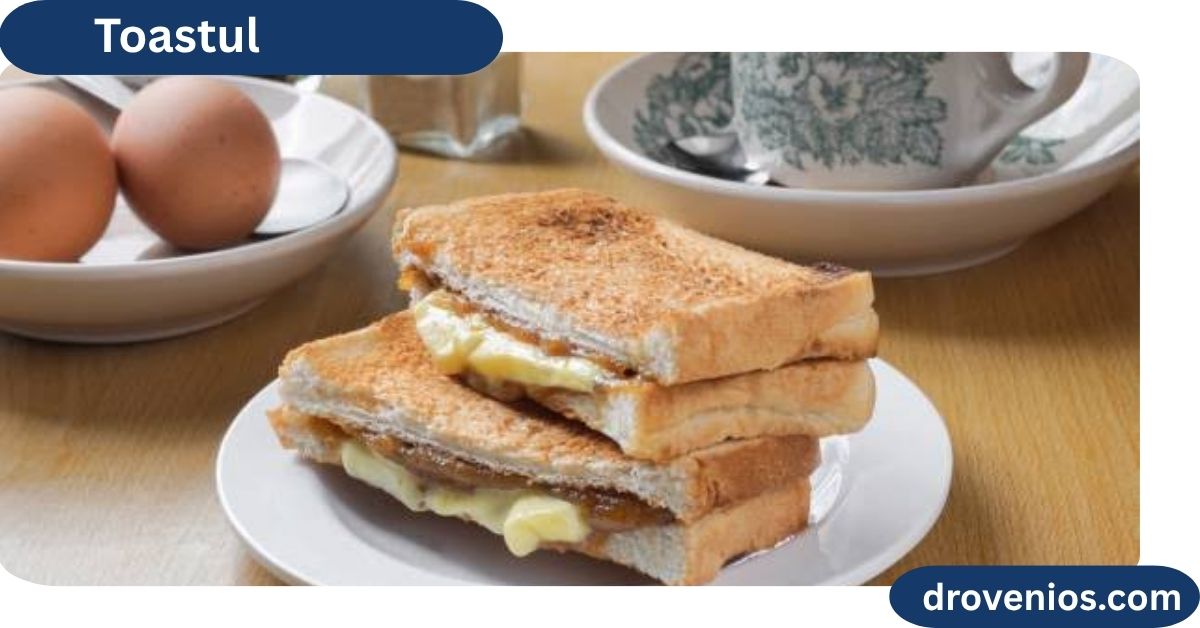
Toastul: Complete Guide to Its Meaning, Smart Toasting Technology, Features, and Uses
Toastul is an emerging term associated with modern toast, smart heating, and a more advanced approach to preparing bread. The information available online about Toastul is still developing, so it is important to separate confirmed information from broader descriptions and marketing language.
The description provided for this topic presents Toastul as something built with intelligent heating sensors that can help toast different types of bread evenly, including sourdough. This points toward the growing category of smart toasters that use sensors, controlled heating, and programmed settings to improve consistency.
At the same time, recent online references use the word Toastul in more than one way. Some describe it as a modern food concept involving creative toast and toppings, while others treat it as a distinctive product or brand-style name. Because the term does not yet have one universally accepted definition, readers should look at the context in which they encounter it.
For U.S. consumers, the most useful way to understand Toastul is as an emerging term connected with the modern evolution of toast and intelligent toasting. The broader technology behind this idea is real and increasingly sophisticated. Modern toaster technology can use temperature sensing, heating control, bread-specific settings, and feedback systems to produce more consistent results.
What Is Toastul?
Toastul is an emerging term associated with modern toast and, based on the description provided, intelligent heating technology designed to produce more even results.
The central idea is simple. Instead of treating every slice of bread exactly the same, a smart toaster can use sensors and controlled heating to respond to differences in the bread.
This can matter because bread is not all the same.
White sandwich bread, whole-wheat bread, sourdough, multigrain bread, thick artisan bread, and frozen bread can require different amounts of heat and time. A conventional toaster may use a relatively simple timed heating cycle, while newer smart toaster systems can use sensors or electronic controls to make the process more precise.
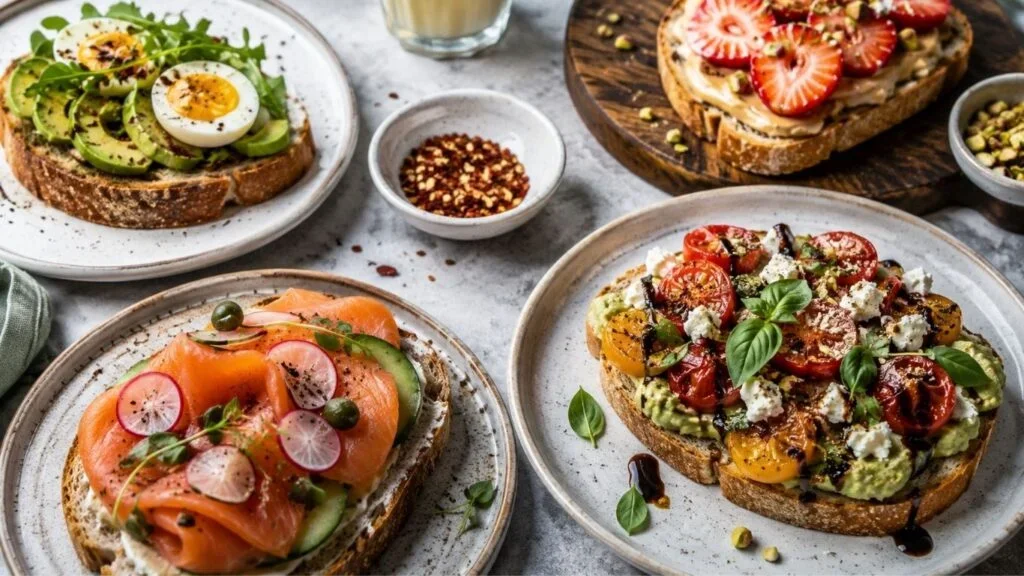
Recent food-related uses of the word Toastul also describe toast as a customizable meal rather than simply a slice of bread with butter. This broader usage includes ingredients such as eggs, vegetables, cheese, fruit, spreads, seeds, and other toppings.
Because Toastul is still an emerging term, it is better to avoid claiming that it has one fixed definition or one universally recognized product specification.
Also read:What Is Plangud? Meaning, Uses, History, and Why the Word Can Be Confusing
Toastul Meaning in Simple Words
In simple words, Toastul can be understood as a modern approach to toast that focuses on better preparation, customization, or intelligent technology.
The exact meaning depends on where the word appears.
In food content, Toastul may describe creative or premium toast.
In technology or appliance content, it may refer to a toaster-related concept involving intelligent heating.
In online content, Toastul may simply be used as a brand-style name or search term.
This makes context especially important.
If you saw Toastul next to terms such as intelligent heating sensors, sourdough, browning, heating control, or bread settings, the intended meaning is likely connected to advanced toaster technology.
Is Toastul a Toaster?
Toastul should not automatically be described as a specific toaster model unless the particular product or manufacturer clearly identifies it that way.
The available online information does not establish one universally recognized Toastul appliance with a standardized set of specifications.
However, the description of Toastul as being “built with intelligent heating sensors” clearly fits the wider development of smart toaster technology.
Modern toaster systems can use sensors to monitor conditions during heating. Some commercial and consumer systems are designed to account for differences in bread type, moisture, temperature, and desired browning.
For example, patent literature describes toaster technology that uses temperature sensors and feedback to determine when a food item has reached a desired level of doneness. The technology is specifically discussed in relation to different types of bread, including sourdough and multigrain bread.
Therefore, Toastul can be discussed in the context of intelligent toasting without inventing specifications that have not been independently confirmed.
How Intelligent Heating Sensors Work
Intelligent heating sensors are designed to make heating more responsive.
A traditional toaster may operate mainly according to a timer. You choose a browning level, the toaster heats the bread for a programmed period, and then it stops.
A sensor-based system can approach the process differently.
Sensors may detect temperature or other characteristics related to the food. A control system can then use that information to adjust or stop heating.
The basic idea is a feedback loop:
- The toaster begins heating.
- Sensors collect information.
- The control system evaluates the information.
- Heating continues, changes, or stops.
- The bread reaches the desired result more consistently.
Patent research into precision heating appliances describes this type of feedback approach, including sensing temperature near the food and using the information to improve consistency.
This does not mean every smart toaster uses exactly the same technology. Sensor placement, software, heating elements, and control systems vary between products.
Why Sensors Matter When Toasting Bread
Bread changes during heating.
As bread becomes hotter, moisture moves and evaporates. The surface becomes drier and darker. The exact rate of change depends on the bread.
A thin slice of white bread can toast relatively quickly. A thick slice of sourdough may take longer. Dense multigrain bread can behave differently again.
This is one reason a fixed timer is not always ideal.
A sensor-based toaster can potentially provide better consistency because the heating process can respond to conditions instead of relying only on a predetermined time.
The goal is not necessarily to make toast faster. The goal is to make the result more predictable.
Toastul and Sourdough Bread
Sourdough is especially relevant to modern toaster technology.
Artisan sourdough often has a thicker crust, a denser interior, and a different moisture profile than ordinary sandwich bread. These differences can affect how quickly the bread browns.
Modern smart toaster manufacturers recognize this problem. For example, Revolution Cooking markets a smart toaster with a dedicated sourdough setting and explains that artisan sourdough can require different heating behavior from ordinary sandwich bread.
This supports the broader idea behind intelligent toast technology: different bread types may benefit from different heating strategies.
If Toastul is being described as a system designed around intelligent heating sensors and even toasting, sourdough is an appropriate example of the type of bread that could benefit from more responsive heating.
Toastul and Even Toasting
Even browning is one of the biggest goals of modern toaster design.
Uneven toast can happen for several reasons. The bread may be thicker on one side. It may contain more moisture in certain areas. The heating elements may distribute heat differently. The slice may not sit perfectly in the center.
A sensor-based system can potentially reduce some of these differences by monitoring heating conditions.
However, sensors cannot eliminate every physical difference in bread.
The result also depends on the bread itself, its thickness, moisture content, shape, freshness, and position inside the appliance.
Therefore, it is more accurate to say intelligent heating can help improve consistency rather than promising perfect results in every situation.
Toastul and Different Types of Bread
A useful smart toaster should work with more than one type of bread.
Common bread types include:
- White bread
- Whole-wheat bread
- Multigrain bread
- Sourdough
- Rye bread
- Brioche
- Gluten-free bread
- Thick artisan bread
- Frozen bread
These breads differ in density, moisture, thickness, sugar content, and crust structure.
Brioche, for example, can brown differently because of its ingredients. Sourdough may have a thick crust. Multigrain bread may contain seeds and grains that change its surface texture.
This is why bread-specific settings can be useful.
Toastul and Browning Control
Browning is one of the most important parts of the toasting experience.
Some people prefer lightly golden toast. Others want a darker and crispier surface.
A useful toaster therefore needs to provide some form of browning control.
Traditional models often use numbered settings. More advanced models may combine settings with sensors, electronic controls, or bread-specific programs.
The advantage of intelligent control is that the selected browning level can potentially become more consistent across different types of bread.
Patent research into precision toaster systems specifically describes the goal of achieving a consistent golden-brown result while accounting for differences between bread types.
Toastul vs. a Traditional Toaster
The biggest difference between an intelligent toaster concept and a traditional toaster is how heating is controlled.
A basic toaster generally follows a programmed heating cycle.
A more advanced toaster may use sensors and electronic feedback to make the heating process more responsive.
| Feature | Traditional Toaster | Intelligent Toaster Concept |
| Heating | Mainly timed | May use sensor feedback |
| Browning | User-selected setting | May combine settings with sensing |
| Bread differences | Limited adjustment | Can potentially account for bread differences |
| Sourdough | May require trial and error | May use specialized control |
| Consistency | Depends heavily on timing | Designed for greater consistency |
| Technology | Relatively simple | More electronic and sensor-based |
The exact features depend on the individual appliance. “Smart” does not automatically mean that every toaster uses the same technology.
Why Sourdough Can Be Difficult to Toast
Sourdough is often thicker and structurally different from standard sliced bread.
Its crust can be firm, while the inside may remain moist and chewy. A toaster that is optimized for thin sandwich bread may not always produce the same result with a thick sourdough slice.
This is why some modern toaster manufacturers have introduced dedicated sourdough programs.
Revolution Cooking, for example, promotes a sourdough-specific algorithm and multiple bread presets on one of its smart toaster models.
The broader lesson is that toast quality is influenced by the physical characteristics of the bread, not simply the number shown on the toaster dial.
Toastul and Smart Kitchen Technology
Toastul fits into a larger movement toward smart kitchen appliances.
Modern kitchen devices increasingly use sensors, electronic controls, automatic programs, and sometimes connected features.
The purpose is usually convenience and consistency.
A smart toaster may attempt to reduce the amount of guesswork required to produce the desired result.
Instead of repeatedly testing different settings, a user may be able to choose a bread type or browning level and allow the appliance to manage more of the heating process.
This is similar to the way modern ovens use temperature sensors and automatic programs.
Are Intelligent Toasters Really Better?
They can be better for certain users, but “better” depends on what a person wants.
Someone who eats basic white bread every morning may be perfectly happy with a conventional toaster.
Someone who regularly eats thick sourdough, artisan bread, frozen bread, or several different bread types may benefit more from advanced controls.
Smart technology can also appeal to people who value consistency.
The main advantage is not that technology makes bread fundamentally different. Instead, it can make the heating process more controlled and repeatable.
Benefits of a Toastul-Style Smart Toaster
An intelligent toaster concept can offer several potential benefits.
More Consistent Browning
Sensor-based heating can potentially improve consistency between toast cycles.
This is useful for people who want their bread to look and taste similar each time.
Better Handling of Different Bread Types
Bread-specific controls can help users avoid treating every type of bread exactly the same.
Sourdough and multigrain bread, for example, may need different heating times than standard white bread.
Easier Daily Use
Automation can reduce trial and error.
Instead of remembering which setting worked best for each bread, a smart system may provide dedicated options.
Greater Control
Advanced toasters may offer multiple browning levels, reheat settings, defrost programs, or bread-specific modes.
Some commercial systems also use sensors to monitor the toasting process continuously. Hatco, for example, describes a commercial toaster with ColorGuard sensing technology that monitors and adjusts the toasting chamber for consistent results.
Better Results for Artisan Bread
People who regularly buy artisan bread may notice a larger difference from advanced toaster technology than people who mostly use standard sandwich bread.
Possible Limitations of Toastul Technology
Smart technology also has disadvantages.
The first is price.
More sensors, electronic controls, and advanced heating systems can increase manufacturing complexity and potentially raise the price of an appliance.
The second is maintenance.
More components can mean more potential points of failure compared with a simple toaster.
The third is unnecessary complexity.
Some people simply want to push down a lever and make toast. They may not need multiple programs or sensor-based controls.
The fourth is that smart technology cannot overcome every physical limitation.
A toaster cannot turn poor-quality or badly sliced bread into perfect toast every time.
Does Toastul Make Toast Healthier?
A smart toaster does not automatically make bread healthier.
The nutritional value of toast depends mainly on the bread and toppings.
Whole-grain bread can provide more fiber than refined white bread. Toppings can add protein, healthy fats, fruits, vegetables, or other nutrients.
However, the technology used to toast the bread does not transform an unhealthy diet into a healthy one.
This is an important distinction because modern food marketing can sometimes make cooking technology sound like a nutrition solution.
A better approach is to consider the entire meal.
For example, whole-grain toast with eggs and vegetables provides a very different nutritional profile from white toast with a large amount of added sugar.
Toastul as a Creative Food Concept
The word Toastul is also increasingly used online to describe creative toast.
Recent online food articles describe Toastul as a modern approach in which toast becomes the main meal and can be combined with ingredients such as vegetables, fruit, eggs, cheese, seeds, spreads, and proteins.
This interpretation is broader than toaster technology.
It treats toast as a flexible base rather than a simple side dish.
The concept works because toast is easy to customize.
Popular Toastul Topping Ideas
If Toastul is being used in the food sense, almost any suitable topping can be used.
Popular combinations include avocado and eggs, hummus and vegetables, cottage cheese and fruit, ricotta and berries, peanut butter and banana, and tomato with cheese and herbs.
The most useful way to build a balanced toast meal is to think about four basic components:
- A bread base
- A spread
- A main topping
- A finishing ingredient
For example, whole-grain toast can be combined with hummus, roasted vegetables, and seeds.
Another option is sourdough with mashed avocado, an egg, and herbs.
The possibilities are broad because toast is essentially a blank food base.
Is Toastul a Healthy Breakfast?
It can be.
The health value depends on the ingredients.
A toast-based breakfast can provide carbohydrates from bread, protein from eggs or dairy, fiber from whole grains or vegetables, and healthy fats from foods such as avocado, nuts, or seeds.
A highly processed bread combined with large amounts of sugary spreads may provide a less balanced meal.
Therefore, Toastul should not automatically be described as healthy simply because it is a modern food concept.
The ingredients matter more than the name.
Toastul for Lunch or Dinner
Toast does not have to be limited to breakfast.
A substantial slice of sourdough or whole-grain bread can form the base of lunch or a light dinner.
Protein-rich toppings can make it more filling.
Examples include eggs, beans, chicken, fish, cottage cheese, hummus, or other protein sources.
Vegetables can add fiber, color, texture, and micronutrients.
This flexibility is one reason creative toast has become popular in cafés and home kitchens.
Toastul and Artisan Bread
Artisan bread is a natural match for premium toast concepts.
Sourdough, rye, multigrain, and other specialty breads can provide stronger flavor and more texture than ordinary sandwich bread.
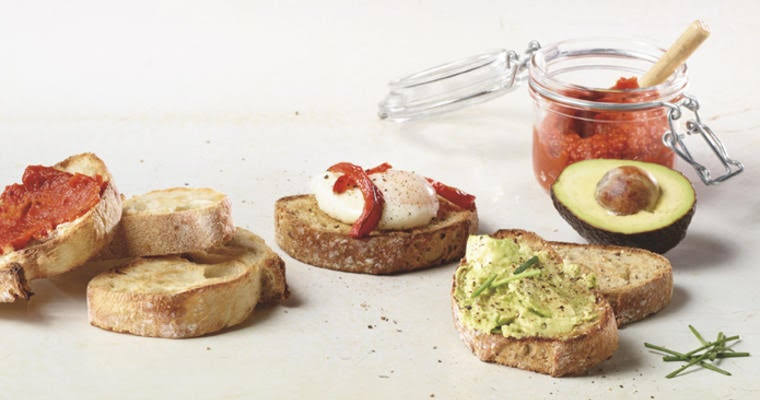
However, artisan bread can also be more difficult to toast consistently because slices may vary in thickness and shape.
This makes intelligent heating especially interesting.
Also read:Pappedeckel: Meaning, Origin, Uses, Spelling, and Complete Guide
A sensor-controlled toaster can potentially compensate for some differences, although the exact performance depends on the appliance.
Toastul and Food Presentation
Food presentation is another part of the modern Toastul concept.
People increasingly share meals through photographs and short videos. This has encouraged cooks and restaurants to pay more attention to color, texture, and arrangement.
Toast is particularly suitable for this because the bread creates a simple rectangular or oval base.
A colorful combination of avocado, tomato, herbs, eggs, berries, or seeds can look visually appealing without requiring complicated cooking.
This does not mean presentation is more important than nutrition or flavor.
It simply explains why toast has become an easy format for creative food content.
Toastul and Social Media
Social media has helped change how people think about everyday foods.
A simple meal can become a visual trend when it is presented in an attractive and repeatable format.
Toast is especially suitable for this environment because it is easy to photograph and easy for viewers to recreate.
The modern Toastul keyword appears to be part of this broader internet trend. Recent pages use the term to describe creative toast and food presentation rather than a standardized traditional dish.
However, popularity on social media should not be confused with established culinary history.
Is Toastul a Traditional Food?
There is not enough reliable evidence to describe Toastul as one traditional food with a fixed recipe.
Some recent online articles describe it as a modern food concept, while others connect the word to Romanian language usage.
The Romanian connection is real in a linguistic sense. “Toastul” can be a definite form of the Romanian word “toast,” depending on context.
That does not establish a traditional Romanian dish called Toastul.
This distinction is important because internet articles can repeat the same unsupported origin story until it begins to look historical.
Toastul and the Romanian Language
The word “toastul” has a legitimate connection to Romanian.
In Romanian, the noun “toast” can relate to a toast or ceremonial speech, and “toastul” can be its definite form in an appropriate grammatical context. Recent explanations of the term note this linguistic meaning.
This should not automatically be confused with the modern English-language food concept.
For someone researching Toastul, language and food are two separate parts of the story.
Why Toastul Has Multiple Meanings Online
New words can develop quickly on the internet.
A person may create a brand name. A food blogger may use a new term. Another website may repeat it. Social media users may adopt it. Search engines then begin showing the term to more people.
Eventually, the word can appear to have a long-established meaning even when its current use is relatively new.
Toastul is an example of why searchers should examine context.
The safest interpretation is not always the most dramatic one.
Toastul and Online Search Intent
People searching for Toastul may have different questions.
Some may want to know:
- What does Toastul mean?
- Is Toastul a food?
- Is Toastul a toaster?
- What is Toastul technology?
- How does intelligent heating work?
- Can it toast sourdough?
- Is Toastul a brand?
- Where did the word come from?
- Is Toastul a traditional food?
These are different search intents.
A good explanation should not assume that every person searching Toastul wants the same information.
How to Evaluate Claims About Toastul
Because Toastul is an emerging term, readers should be careful with highly specific claims.
If a website says that Toastul was invented in a particular year, ask whether the claim is supported by evidence.
If a website claims that Toastul is an established traditional dish, look for independent historical or culinary sources.
If a company claims that a Toastul appliance uses advanced sensors, look for official specifications, manuals, patents, or reliable technical information.
This approach is more dependable than accepting the first search result.
Intelligent Heating Sensors in Modern Toasters
The technology behind sensor-controlled toasting is not simply a marketing idea.
Patents describe heating appliances that use sensors to detect temperatures and other characteristics near food. These systems can use feedback to determine when a desired level of doneness has been reached.
Commercial toaster systems also use sensing technologies. Hatco describes a ColorGuard system that continually monitors and adjusts its heating chamber to help maintain consistent toast results.
These examples demonstrate that intelligent heating is a real technology category even if a particular Toastul product cannot be independently confirmed from the available information.
What Should You Look for in a Smart Toaster?
If you are considering a smart toaster with features similar to the Toastul concept, several specifications are worth checking.
Sensor Technology
Find out what the sensors actually measure.
“Smart sensor” is a broad marketing term. A useful product description should explain whether the system measures temperature, surface conditions, food placement, or another characteristic.
Bread Settings
Look for settings that match the types of bread you regularly eat.
Sourdough, frozen bread, gluten-free bread, and thick artisan bread may benefit from specialized programs.
Browning Levels
Multiple browning settings make it easier to customize the result.
Slot Size
Wide slots can be important for thick artisan bread.
Reheat and Defrost
These functions can be useful for frozen bread or toast that has cooled.
Safety Features
Automatic shutoff, stable construction, and accessible controls are important features for any toaster.
Toastul and Toaster Safety
Toasters use high temperatures and electricity, so basic safety is important.
Never place metal utensils inside an operating toaster.
Keep the toaster away from water.
Do not use a toaster with a damaged power cord or plug.
Clean the crumb tray according to the manufacturer’s instructions.
Do not leave a toaster operating unattended for extended periods.
If bread becomes stuck, unplug the appliance before attempting to remove it and follow the manufacturer’s instructions.
Smart technology does not remove the need for basic appliance safety.
How to Clean a Modern Toaster
Regular cleaning helps maintain an appliance.
Crumbs can accumulate inside a toaster over time. A removable crumb tray makes cleaning easier.
Always disconnect the appliance from power before cleaning.
Do not pour water into the toaster or immerse an electrical toaster in water.
Follow the manufacturer’s cleaning instructions because advanced models may contain electronic controls and sensors that require additional care.
A clean toaster can also reduce the buildup of crumbs that may create unpleasant smells during heating.
Does Smart Heating Mean Perfect Toast?
No.
Intelligent heating can improve consistency, but it cannot guarantee a perfect result under every condition.
Bread varies naturally.
One sourdough loaf may contain more moisture than another. Slices may be different thicknesses. Bread may be frozen, refrigerated, or freshly baked.
Sensors can improve the heating process, but they cannot make every slice identical.
This is an important distinction when evaluating marketing claims.
Toastul and Consumer Expectations
The strongest reason for interest in Toastul-style technology is consistency.
People often become frustrated when the same toaster produces different results.
One morning the toast may be pale. The next morning it may be too dark.
Intelligent controls attempt to reduce this variation.
For consumers who value predictable results, this can be more useful than having dozens of unnecessary features.
Is Toastul Worth Considering?
That depends on what you expect from a toaster.
If you mainly use inexpensive sandwich bread and do not care about small differences in browning, a basic toaster may be enough.
If you regularly use sourdough, artisan bread, frozen bread, or different bread types, advanced controls may provide more value.
The most important question is not whether a toaster is labeled “smart.”
The better question is whether its actual technology solves a problem you have.
Toastul and the Future of Toasting
The future of toaster technology is likely to focus on greater control and consistency.
Sensors can help appliances respond to food instead of simply following a timer.
Software can make it easier to select settings.
Specialized programs can address different bread types.
Connected features may also appear in some premium appliances.
For example, some current smart toaster products already advertise multiple bread presets, touchscreen controls, and dedicated programs for sourdough and other bread types.
The technology will likely continue to develop, but the underlying goal remains simple: make good toast more consistently.
Final Thoughts
Toastul is an emerging term whose meaning depends on context. In recent food content, it is often used to describe creative, customizable toast that can turn a basic slice of bread into a more complete meal. In the technology context described for this topic, Toastul is associated with intelligent heating sensors and the goal of more even toasting across different types of bread.
The idea behind sensor-controlled toasting is supported by real developments in toaster technology. Patents and existing commercial appliances show that temperature sensing, feedback control, bread-specific programs, and automatic adjustment are already being explored or used in modern heating appliances.
For consumers, the most important point is to avoid confusing an emerging name with a universally established product category. Toastul may refer to a food concept, a brand-style term, or a toaster-related idea depending on where the word appears.
If the goal is better toast, focus on the actual technology, bread compatibility, browning control, safety features, and manufacturer information. A smart toaster can make the process more consistent, but good bread, appropriate settings, and proper appliance use still matter.
Frequently Asked Questions About Toastul
What does Toastul stand for?
Toastul does not currently have one universally established expansion or definition. The term is being used online in different contexts, including modern toast concepts and toaster-related discussions. Its exact meaning should be determined from the source where it appears.
Can intelligent heating sensors detect when toast is ready?
Sensor-based heating systems can be designed to monitor temperature or other characteristics associated with the food and use that information to control heating. Patent literature describes feedback systems designed to stop heating when a desired food condition is reached.
Why does sourdough need different toaster settings?
Sourdough can be thicker, denser, and have a stronger crust than ordinary sandwich bread. These characteristics can change how quickly it heats and browns. This is why some modern smart toasters provide dedicated sourdough programs.
Does a smart toaster use more electricity than a basic toaster?
Not necessarily. Electricity use depends on the appliance’s power rating, heating time, operating mode, and usage pattern. A smart toaster may use sophisticated controls, but that does not automatically mean it consumes more electricity during every toast cycle.
Can Toastul technology replace a regular oven?
No. A toaster is designed primarily for small bread products and similar foods. Even an advanced toaster is not a direct replacement for an oven, which provides a larger cooking space and is designed for a much wider range of foods and cooking methods.