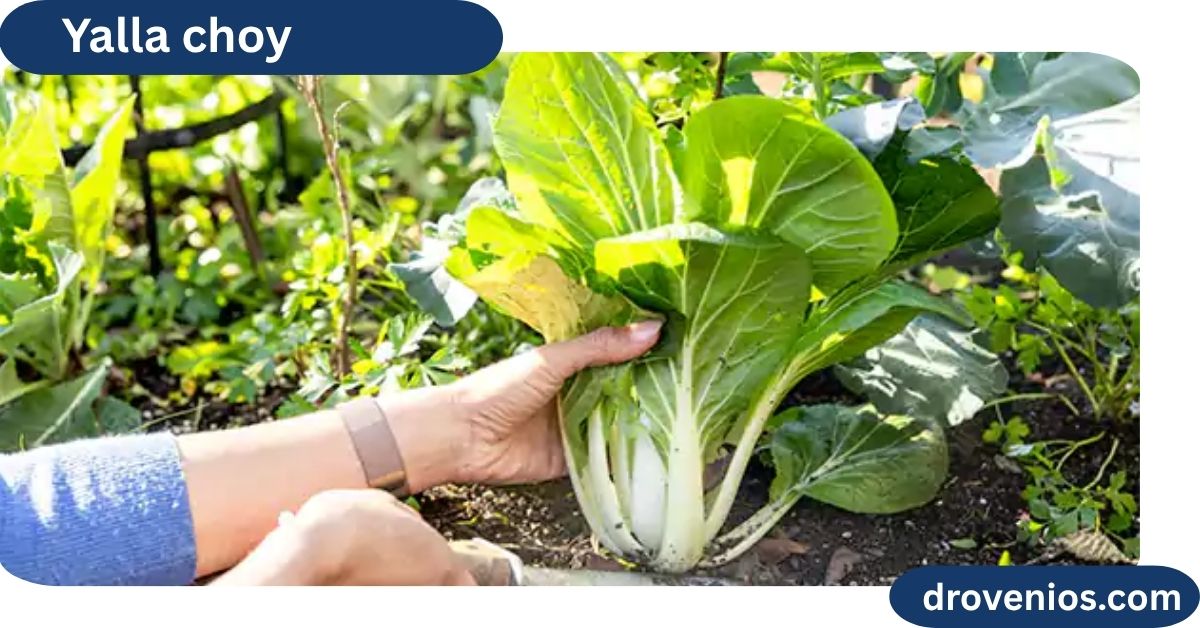
What Is Yalla Choy? A Complete Guide to Water Spinach, Kangkong, Nutrition, Uses, and Safety
Yalla Choy is a name that can create confusion because it is not a widely standardized botanical name. In recent online food content, the term is often used for a green leafy vegetable associated with water spinach, also known as kangkong, ong choy, or water convolvulus. The recognized scientific name for water spinach is Ipomoea aquatica. It is a fast-growing plant commonly eaten in many parts of Asia and is known for its tender leaves and long, hollow stems.
For readers in the United States, understanding the name is especially important because water spinach has a different legal and agricultural situation from many ordinary grocery-store vegetables. The U.S. Department of Agriculture classifies Ipomoea aquatica as a federal noxious weed, and some states have additional restrictions. That does not mean the vegetable is not eaten or sold in food markets, but it does mean people should not assume that they can legally grow, move, or import it wherever they live.
Yalla Choy is also sometimes discussed online as a modern phrase rather than a vegetable. The word “yalla” is a common Arabic expression that can mean “come on,” “let’s go,” or “hurry up,” depending on context. The complete phrase “Yalla Choy,” however, does not have the same well-established status as the individual word yalla.
This guide focuses mainly on Yalla Choy as a food-related term connected with water spinach, while explaining the naming confusion, plant identity, taste, nutrition, cooking uses, storage, growing concerns, and what American consumers should know.
What Is Yalla Choy?
Yalla Choy is a recent and somewhat informal food term that online sources commonly connect with a leafy green similar to water spinach or kangkong.
The important point is that Yalla Choy is not the scientific name of a recognized plant species. When accuracy matters, the scientific name Ipomoea aquatica is much more useful.
Water spinach belongs to the morning glory family, Convolvulaceae. It is not the same plant as ordinary spinach, even though both are eaten as leafy greens.
The plant has soft green leaves and distinctive hollow stems. Depending on growing conditions, the stems can trail across wet ground or float on water. The leaves can vary in shape, including arrowhead-like forms.
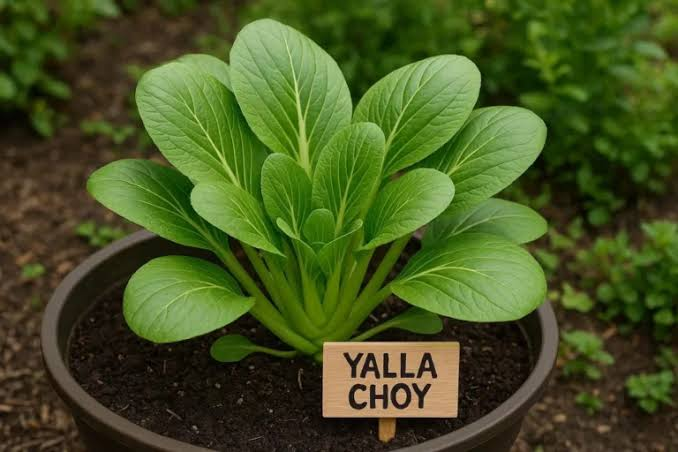
In food-related content, Yalla Choy may therefore be used as an informal name for this type of Asian leafy green. However, shoppers should look for recognized names such as water spinach, kangkong, ong choy, or Ipomoea aquatica when they want to confirm the exact vegetable.
Also read:What Is Plangud? Meaning, Uses, History, and Why the Word Can Be Confusing
Is Yalla Choy the Same as Water Spinach?
In many recent online food articles, Yalla Choy is presented as another name for water spinach. However, this connection should be treated as an informal usage rather than a formal botanical definition.
Water spinach is a well-established vegetable with the scientific name Ipomoea aquatica. It is also called kangkong, kang kung, ong choy, water convolvulus, and swamp morning glory in different regions.
The University of Georgia describes water spinach as an aquatic or semiaquatic freshwater plant in the same botanical family as sweet potatoes and morning glories.
Therefore, if someone uses Yalla Choy to mean water spinach, the underlying plant is Ipomoea aquatica.
For a consumer, the safest approach is simple: do not rely on the unusual name alone. Check the product description, scientific name, common names, or seller information.
What Is the Scientific Name of Yalla Choy?
If Yalla Choy is being used to describe water spinach, the scientific name is Ipomoea aquatica.
Ipomoea aquatica belongs to the Convolvulaceae family.
This is the same broader plant family that includes sweet potatoes and morning glory plants.
The scientific name is useful because common names can change between countries and communities. One vegetable may have several local names, while the same name can sometimes be used for different plants.
USGS identifies Ipomoea aquatica as water spinach and describes it as a hollow-stemmed perennial vine that can grow in water, on mud, or over other vegetation.
This makes the scientific name much more reliable than an informal name such as Yalla Choy when identifying the plant.
What Does Yalla Choy Look Like?
When Yalla Choy refers to water spinach, the vegetable has several features that make it relatively easy to recognize.
The stems are long, green, and hollow.
The leaves are soft and green, and their shapes can vary from narrow to more arrowhead-like forms.
The stems may be several feet long because the plant has a trailing growth habit.
In water, the stems can float, while in moist soil they can spread across the ground.
Fresh edible bunches usually have green leaves and firm stems. Older vegetables may become wilted, yellow, slimy, or damaged.
The hollow stems are one of the most useful clues when trying to distinguish water spinach from other Asian leafy vegetables.
Why Is Yalla Choy Sometimes Confused With Other Greens?
Asian grocery stores carry many leafy vegetables with similar names, appearances, and culinary uses.
Bok choy, yu choy, choy sum, mustard greens, water spinach, and other vegetables can all appear in stir-fries.
This can make an unfamiliar term difficult to identify.
The word “choy” itself is strongly associated with vegetable names in Chinese food terminology. Because of this, a person who sees Yalla Choy may naturally assume it is a specific type of choy.
But water spinach is botanically very different from bok choy or choy sum.
Water spinach belongs to the Convolvulaceae family.
Bok choy and choy sum belong to the Brassica group.
This difference matters when identifying plants, buying seeds, or looking for growing instructions.
Yalla Choy vs. Water Spinach
If Yalla Choy is being used to mean water spinach, there is no meaningful difference between the two in that particular context.
Water spinach is the recognized common English name.
Yalla Choy is a newer or less standardized label found in recent online content.
For practical purposes, people looking for the vegetable should search for water spinach, kangkong, ong choy, or Ipomoea aquatica.
These names are more useful when shopping or researching recipes.
Yalla Choy vs. Kangkong
Kangkong is one of the most widely recognized names for water spinach.
In many Southeast Asian communities, kangkong is a familiar vegetable used in everyday cooking.
If a recipe calls for kangkong and another source calls the same vegetable water spinach, they are generally referring to Ipomoea aquatica.
The plant’s hollow stems and tender leaves make it especially suitable for quick cooking.
Because kangkong is a well-established culinary name, it is often easier to find reliable information under “kangkong” than under “Yalla Choy.”
Yalla Choy vs. Ong Choy
Ong choy, also spelled ong choi, is another common name associated with water spinach.
The spelling can vary because names are transliterated between languages.
A person shopping at an Asian supermarket in the United States may therefore see several labels for what is essentially the same vegetable.
Possible names include:
- Water spinach
- Kangkong
- Kang kung
- Ong choy
- Ong choi
- Water convolvulus
- Swamp morning glory
The exact label depends on the store, community, and regional food tradition.
What Does Yalla Choy Taste Like?
When Yalla Choy refers to water spinach, the flavor is generally mild, fresh, and slightly grassy.
The leaves become tender when cooked.
The stems can remain pleasantly crisp, especially when cooked quickly.
This combination of tender leaves and crisp stems is one reason water spinach is popular in stir-fried dishes.
The flavor is usually less intense than some bitter greens.
Garlic, ginger, chili, soy sauce, oyster sauce, sesame oil, fermented bean products, and other savory ingredients can complement it well.
Because the vegetable has a mild flavor, it can absorb sauces easily.
What Is the Texture of Yalla Choy?
Texture is one of the most appealing features of water spinach.
The leaves are tender and soften quickly with heat.
The stems are hollow and can remain crisp or slightly crunchy.
When cooked correctly, the vegetable should not feel overly heavy.
Overcooking can cause the leaves to become too soft and the dish to lose some of its fresh character.
For this reason, many cooks use high heat and short cooking times.
Is Yalla Choy Healthy?
If Yalla Choy refers to water spinach, it can be a nutritious addition to a balanced diet.
Leafy green vegetables generally provide vitamins, minerals, fiber, water, and plant compounds.
Water spinach is commonly eaten as a vegetable and is valued as part of traditional diets in tropical and subtropical parts of Asia. The University of Georgia notes that it is widely consumed and usually prepared as a cooked vegetable.
However, it is better to avoid describing Yalla Choy as a miracle food.
No single vegetable provides everything the body needs.
The overall quality of a diet depends on many foods, including vegetables, fruits, whole grains, protein sources, and healthy fats.
The preparation method also matters.
A simple stir-fry can be very different nutritionally from a dish loaded with salt, sugar, or large amounts of oil.
What Nutrients Can Water Spinach Provide?
Water spinach can contribute several important nutrients to the diet.
Like many leafy vegetables, it can provide dietary fiber and various vitamins and minerals.
The exact amount depends on the serving size, freshness, growing conditions, and cooking method.
Cooking can change the amount of certain nutrients available in a serving.
Rather than focusing on one specific nutrient number, it is more useful to think of water spinach as part of a varied vegetable intake.
For people who enjoy Asian-style cooking, it can provide a simple way to add another type of green vegetable to meals.
Potential Benefits of Eating Yalla Choy
When Yalla Choy refers to water spinach, several general nutritional benefits may come from including it in a balanced diet.
It Adds Vegetables to the Diet
One of the simplest benefits is that it makes it easier to eat more vegetables.
Many people repeat the same vegetables every week. Adding water spinach can increase variety.
Different vegetables provide different combinations of nutrients and plant compounds.
It Provides Dietary Fiber
Leafy vegetables can contribute dietary fiber.
Fiber is important for normal digestive health and can also help make meals more filling.
A diet containing a variety of fiber-rich plant foods is generally preferred over relying on one vegetable.
It Can Be a Light Side Dish
Water spinach is naturally suitable for quick cooking.
A simple preparation with garlic, a small amount of cooking oil, and a modest amount of seasoning can create a flavorful side dish.
This can be useful for people who want vegetables without making complicated recipes.
It Works With Many Flavors
Another practical benefit is versatility.
Water spinach can work with Asian sauces and seasonings, but it can also be used with simpler flavors such as garlic, olive oil, black pepper, lemon, or chili.
This makes it easier to include in different types of meals.
How Do You Cook Yalla Choy?
If Yalla Choy refers to water spinach, stir-frying is one of the easiest cooking methods.
Start by washing the vegetable thoroughly.
Trim damaged portions of the stems.
Separate thicker stems from the leafy portions if necessary.
Heat a pan or wok.
Add a small amount of cooking oil.
Add garlic, ginger, or another seasoning.
Cook the stems first because they are thicker.
Add the leaves after the stems have started to soften.
Cook until the leaves become tender but the stems still have some texture.
Season according to the recipe.
This simple approach takes only a few minutes.
Simple Garlic Yalla Choy
A basic garlic preparation can highlight the natural flavor of the vegetable.
Use fresh water spinach, garlic, cooking oil, and a small amount of salt.
Heat the oil.
Add chopped garlic.
Cook briefly until fragrant.
Add the thicker stems first.
After a short time, add the leaves.
Stir quickly over medium-high or high heat.
Season lightly.
The goal is to keep the vegetable bright and fresh rather than cooking it until it becomes completely soft.
Yalla Choy With Soy Sauce
Soy sauce can add a strong savory flavor.
Because soy sauce already contains sodium, add it carefully.
A small amount may be enough.
Garlic, ginger, chili, or sesame oil can also be added.
This preparation works well as a side dish with rice, noodles, tofu, chicken, seafood, or other main dishes.
Yalla Choy With Oyster Sauce
Oyster sauce is another common seasoning for water spinach-style dishes.
It creates a richer and slightly sweet savory flavor.
Again, a small amount is usually enough.
People following vegetarian or vegan diets should check the ingredients because traditional oyster sauce contains oysters.
Vegetarian versions may use mushrooms or other ingredients instead.
Can You Eat Yalla Choy Raw?
Do not make a raw-food decision based only on the name Yalla Choy.
If the product is actually water spinach, proper identification and food handling are important.
Water spinach is commonly eaten cooked, and cooking is a traditional preparation method.
Fresh produce should be washed appropriately and handled in a clean kitchen.
If you are uncertain about the identity or source of a vegetable, check the seller’s information before eating it raw.
How Should You Wash Yalla Choy?
Start by removing damaged or visibly dirty leaves.
Separate the stems if they are tightly packed.
Rinse the vegetable under clean running water.
Pay attention to the joints and spaces around the stems because soil and debris can collect there.
After washing, drain the vegetable well.
If you are cooking it in a wok or pan, removing excess water can also help prevent excessive splattering when the wet vegetable meets hot oil.
How Do You Store Yalla Choy?
Fresh water spinach should generally be refrigerated.
Avoid leaving fresh leafy greens at room temperature for long periods.
Store the vegetable in a way that protects it from excessive moisture while preventing it from drying out.
A breathable produce bag or suitable refrigerator storage container can help.
Because leafy greens lose quality quickly, it is best to use them while they are fresh.
Look for signs of deterioration such as sliminess, a strong unpleasant odor, extensive yellowing, or severe wilting.
How Long Does Yalla Choy Last?
There is no single exact number of days that applies to every package.
Storage life depends on how fresh the vegetable was when purchased, the temperature of the refrigerator, humidity, packaging, and how it was handled.
Fresh leafy vegetables are generally best used relatively soon after purchase.
If the stems become very soft or slimy, the leaves develop significant discoloration, or the vegetable develops an unpleasant smell, it is better not to eat it.
Where Can You Buy Yalla Choy in the United States?
If you search for Yalla Choy in an American grocery store, you may have difficulty finding that exact label.
A better approach is to search for water spinach, kangkong, ong choy, or Ipomoea aquatica.
Asian supermarkets are often more likely to carry water spinach than conventional supermarkets.
Specialty produce markets may also stock it, especially in areas with large Asian communities.
The name on the package may depend on the local community.
This is another reason that knowing several common names is useful.
Can You Grow Yalla Choy at Home?
This is an area where U.S. readers need to be especially careful.
If Yalla Choy means water spinach, it refers to Ipomoea aquatica, a plant that can grow extremely well in wet conditions.
That sounds useful for gardening, but rapid growth is also the reason the plant creates environmental concerns.
USDA identifies water spinach as a federal noxious weed. USDA’s risk assessment explains that the plant can form dense vegetation in suitable aquatic environments and that it is regulated in the United States.
The University of Florida also lists Ipomoea aquatica as a federal noxious weed and describes it as invasive in Florida.
Therefore, people should not assume that they can plant water spinach simply because it is sold as a food.
Is Yalla Choy Legal to Grow in the United States?
There is no simple nationwide answer for every individual situation.
If Yalla Choy means water spinach, the relevant plant is Ipomoea aquatica.
USDA classifies Ipomoea aquatica as a federal noxious weed. Federal rules can restrict its movement and cultivation, and states may impose additional requirements. Some jurisdictions may allow certain activities under permits, while others may have stricter rules.
For this reason, anyone considering growing water spinach should check current federal and state rules before obtaining seeds or live plants.
Do not assume that a plant is legal to grow simply because it is commonly eaten.
Food use and plant-growing regulations are separate issues.
Why Is Water Spinach Regulated?
Water spinach grows quickly under favorable conditions.
It can spread through stems and fragments and can form dense growth in aquatic environments.
This can create problems for native vegetation, water movement, flood control, and navigation.
The University of Florida notes that the plant can grow rapidly and form dense floating mats that compete with native vegetation and interfere with water systems.
This is why the plant is treated differently from many ordinary vegetables.
The concern is not that eating a properly sourced vegetable is inherently dangerous.
The concern is what can happen if the living plant becomes established in natural waterways.
Can Water Spinach Spread From Plant Cuttings?
Yes, this is one reason the plant can be difficult to control.
Water spinach can produce roots at nodes along its stems.
Fragments can potentially establish new plants under suitable conditions.
USGS describes its stems as hollow and capable of floating, creeping on mud, or growing over other plants.
This means gardeners should never release plant material into ponds, canals, streams, lakes, or other natural waterways.
If cultivation is legal in a particular jurisdiction, growers should still follow local guidance carefully.
Yalla Choy and Food Safety
The food-safety question should be separated from the invasive-plant question.
A vegetable can be safe to eat as food while its living cultivation may be regulated because of environmental risks.
This distinction is important.
Water spinach is a traditional food in many countries and is widely consumed as a cooked vegetable. The University of Georgia specifically describes its food use across tropical Asia.
For American consumers, the practical focus should be buying food from legitimate sources, washing produce properly, storing it correctly, and following applicable food-safety guidance.
What Is the Difference Between Yalla Choy and Regular Spinach?
Yalla Choy, when used for water spinach, is not the same plant as regular spinach.
Regular spinach is Spinacia oleracea.
Water spinach is Ipomoea aquatica.
They belong to different plant families.
The word “spinach” in water spinach is a common food name rather than evidence that the plants are closely related.
Their appearance and texture are also different.
Water spinach has hollow stems, while ordinary spinach has a different leaf and stem structure.
They can both be cooked as leafy greens, but they are separate vegetables.
Yalla Choy vs. Bok Choy
Bok choy is another completely different vegetable.
Bok choy is a Brassica vegetable with thick, pale stems and rounded green leaves.
Water spinach has long hollow stems and a trailing growth habit.
Both are popular in Asian cooking.
Both can be stir-fried with garlic.
But they should not be treated as the same vegetable.
If a recipe specifically calls for water spinach, bok choy may change the texture and flavor of the dish.
Yalla Choy vs. Choy Sum
Choy sum is also different from water spinach.
Choy sum is a Brassica vegetable grown for tender stems, leaves, and flowering shoots.
Water spinach belongs to the morning glory family.
The two can appear in similar stir-fried dishes, which can create confusion.
If a website uses Yalla Choy to mean choy sum, that is a different interpretation from the water-spinach usage.
This is exactly why the unusual name should be verified before buying seeds or trying to identify a plant.
What Does “Yalla” Mean?
The word “yalla” is a separate linguistic issue.
In Arabic, yalla is a very common colloquial expression used to encourage movement or action.
Depending on the situation, it can mean “let’s go,” “come on,” “hurry up,” or something similar.
Its tone can be friendly, encouraging, urgent, or impatient depending on how it is spoken.
The word is common across many Arabic-speaking communities and has also become familiar to people outside the Arabic-speaking world through travel, entertainment, social media, and popular culture.
Does “Yalla Choy” Have a Confirmed Arabic Meaning?
The individual word yalla has a clear and well-established colloquial use.
The complete phrase Yalla Choy is less certain.
Current online pages give different explanations. Some treat it as a vegetable name. Others describe it as a playful phrase created by combining yalla with choy.
Because these explanations conflict, it would be misleading to present one specific origin as proven fact.
For SEO and digital-literacy purposes, this is an important distinction.
Also read:Pappedeckel: Meaning, Origin, Uses, Spelling, and Complete Guide
A phrase can become popular online without having a long documented history.
Why Is Yalla Choy Trending Online?
Unusual search terms often become popular because of social media, food content, recipes, short videos, or repeated use across websites.
Once several websites begin using the same unfamiliar term, search engines may return many pages about it.
This can create the impression that the term is an established traditional word even when its origin is relatively recent or unclear.
Yalla Choy appears to be an example of this type of search confusion.
Some current pages describe it as water spinach, while others discuss it as a slang-like phrase. That inconsistency is itself useful information.
Instead of assuming that the most common online explanation is automatically correct, readers should ask what evidence supports the claim.
How to Verify What Yalla Choy Means
If you see the term in a recipe, start by checking the ingredients.
Does the recipe describe long hollow stems?
Does it mention kangkong or ong choy?
Does it show a trailing green vegetable?
If so, it is probably referring to water spinach.
If the article talks about Arabic conversation, slang, social media, or expressions such as “come on,” it may be discussing the linguistic interpretation.
If a gardening article tells you to grow Yalla Choy, look for the scientific name before purchasing seeds.
The scientific name can prevent a major identification mistake.
Why the Scientific Name Matters
Common names are useful for everyday shopping, but scientific names are much more precise.
“Water spinach” identifies a commonly recognized vegetable.
“Yalla Choy” does not have the same standardized botanical status.
Ipomoea aquatica identifies the actual species.
This distinction becomes especially important when laws, invasive species, seeds, plant movement, or cultivation are involved.
A casual food article may not need a scientific name.
A gardening guide should.
A legal or regulatory discussion definitely should.
Can Yalla Choy Be Part of a Balanced Diet?
Yes, if Yalla Choy refers to properly sourced water spinach, it can be part of a balanced diet.
The vegetable can add variety, fiber, and nutrients to meals.
It can be served alongside rice, noodles, tofu, meat, fish, eggs, or other foods.
Its mild flavor makes it easy to combine with other ingredients.
However, balance matters more than any individual vegetable.
A healthy eating pattern includes a wide range of foods rather than depending heavily on one ingredient.
Best Ways to Use Yalla Choy in Everyday Meals
Yalla Choy, when referring to water spinach, is an easy leafy green to add to everyday meals. You can stir-fry it with garlic, add it to soups and noodles, or serve it with rice, tofu, seafood, and other vegetables. Its tender leaves absorb sauces and seasonings, while the hollow stems add a light, crisp texture. Because it cooks quickly, Yalla Choy is a convenient choice for simple and flavorful meals.
Tips for Cooking Yalla Choy Without Making It Soggy
The main cooking mistake is usually overcooking.
Start with the stems because they take longer to soften.
Add the leaves later.
Use relatively high heat for stir-frying.
Avoid adding too much liquid.
Cook only until the leaves are tender.
If the pan becomes too crowded, the vegetable may release a lot of water and begin steaming instead of stir-frying.
Cooking in batches can help maintain better texture when preparing a large quantity.
Can Yalla Choy Be Used in Soups?
Yes, if the term refers to water spinach.
The leaves can be added to soups toward the end of cooking.
Because the vegetable cooks quickly, it usually does not need a long simmer.
The stems can add texture to broth-based dishes.
Water spinach is used in many regional Asian soups and cooked dishes, although recipes differ significantly between countries and communities.
Can Yalla Choy Be Used in Noodle Dishes?
Yes.
The vegetable can be added to stir-fried noodles, noodle soups, or other dishes.
Because the leaves cook quickly, they can be added near the end.
The hollow stems can provide a pleasant contrast to soft noodles.
Garlic, chili, soy sauce, sesame oil, ginger, and other seasonings can work well with the vegetable.
How to Choose Fresh Yalla Choy
If you are buying water spinach under another label, look for:
- Bright green leaves
- Firm stems
- Crisp texture
- No strong unpleasant odor
- Minimal yellowing
- Little or no slime
- No major signs of decay
Fresh vegetables should look lively rather than collapsed.
The stems should not feel excessively soft.
If you are shopping at an Asian market, ask the produce staff whether the vegetable is water spinach, kangkong, or ong choy.
That is often easier than asking for Yalla Choy.
Common Names for Water Spinach
Water spinach has many names around the world.
Some common names include:
- Water spinach
- Kangkong
- Kang kung
- Ong choy
- Ong choi
- Water convolvulus
- Swamp morning glory
- Ipomoea aquatica
Different spellings are normal because common names are influenced by language and regional pronunciation.
This is one reason searches for Asian vegetables can return different results for what is essentially the same plant.
Is Yalla Choy a Traditional Vegetable Name?
There is not enough reliable evidence to describe Yalla Choy as a universally established traditional name for one specific vegetable.
Water spinach itself has a long culinary history in Asia.
Yalla Choy is a much less standardized expression.
This difference is important.
It is reasonable to explain the term as an online or informal food label when sources use it that way.
It is less responsible to claim that it is an ancient botanical name without strong evidence.
Is Yalla Choy a New Vegetable?
Not necessarily.
If the term refers to water spinach, the underlying vegetable is not new.
Water spinach has been cultivated and eaten in Asian food traditions for a very long time.
What may be new is the use of the name Yalla Choy in recent online content.
This is another example of how an old food can acquire a new label.
What Should U.S. Consumers Remember About Yalla Choy?
The most useful takeaway is simple.
If you see Yalla Choy described as a leafy green, verify whether the source means water spinach.
Look for the name Ipomoea aquatica.
Look for recognized common names such as kangkong or ong choy.
If you want to grow it, check federal and state rules first because water spinach is regulated as a noxious weed in the United States.
If you want to eat it, purchase it as food from a legitimate source and handle it like other fresh produce.
And if you see Yalla Choy used as a phrase rather than a vegetable, remember that “yalla” itself is a common Arabic expression meaning something like “come on” or “let’s go.”
Frequently Asked Questions About Yalla Choy
Is Yalla Choy the same as kangkong?
When Yalla Choy is being used online to describe water spinach, it refers to the same underlying vegetable as kangkong. Kangkong is a recognized common name for Ipomoea aquatica. However, because Yalla Choy is not a standardized botanical name, checking the product description is still a good idea.
Does Yalla Choy grow in water?
If the term refers to water spinach, the plant can grow in aquatic or semiaquatic environments. Its hollow stems can float, while the plant can also grow in wet soil. USDA and USGS describe Ipomoea aquatica as a freshwater or semiaquatic plant with hollow stems.
Can Yalla Choy replace spinach in recipes?
If Yalla Choy means water spinach, it can replace some leafy greens in certain cooked dishes, but it will not produce exactly the same result as ordinary spinach. Water spinach has hollow stems and a different texture, so the cooking time and final consistency can change.
Is Yalla Choy the same as bok choy?
No. If Yalla Choy refers to water spinach, it is botanically different from bok choy. Water spinach is Ipomoea aquatica in the Convolvulaceae family, while bok choy belongs to the Brassica group. They can both be stir-fried, but they have different structures and textures.
Can I buy Yalla Choy seeds online and plant them?
You should not assume that you can legally buy, move, or plant water spinach seeds in the United States. If Yalla Choy means Ipomoea aquatica, USDA classifies that species as a federal noxious weed, and state rules may also apply. Check current USDA and state requirements before purchasing planting material.
Conclusion
Yalla Choy is an interesting search term because its meaning is not completely standardized. In recent food-related content, it is often associated with water spinach, also known as kangkong, ong choy, or water convolvulus. The recognized scientific name for that vegetable is Ipomoea aquatica.
Water spinach is a leafy green with tender leaves and long, hollow stems. It is widely eaten in Asian cuisines and works especially well in quick stir-fries, soups, noodle dishes, and simple vegetable sides.
The term Yalla Choy should still be used carefully. It is not a botanical name with the same established status as Ipomoea aquatica. Different online sources may use it in different ways, including as a reference to water spinach or as a playful phrase involving the Arabic word “yalla.”
For U.S. readers, the most important practical issue is cultivation. Water spinach is classified by USDA as a federal noxious weed, and additional state restrictions can apply. Anyone considering growing it should check current regulations before obtaining seeds or live plants.
As a food, however, water spinach remains an important leafy vegetable in many culinary traditions. Its mild taste, crisp stems, tender leaves, and quick cooking time make it a useful addition to many meals.
The best way to understand Yalla Choy is therefore to look beyond the unusual name. When the context is food, identify the actual plant. When the context is language, consider the meaning of “yalla.” And whenever the information involves gardening, seeds, or plant movement in the United States, verify the scientific identity and current regulations before taking action.