
Syrenis Strategic Initiatives: A Complete Guide to Strategy, Growth, and Sustainable Success
Syrenis strategic initiatives refers to a set of structured plans and actions designed to support sustainable growth, improve organizational performance, strengthen market position, and create long-term value. The phrase can be used when discussing the strategic direction of Syrenis, but it can also appear in broader discussions about business planning, digital transformation, operational improvement, customer experience, and organizational development.
When people search for syrenis strategic initiatives, they may be looking for information about the company’s priorities, business strategy, growth plans, technology direction, partnerships, market approach, or long-term goals. Understanding these initiatives requires more than looking at a list of business activities. Strategic initiatives usually connect a company’s vision with specific actions, measurable goals, resources, and expected outcomes.
In simple terms, a strategic initiative answers an important business question: what should an organization do now to become stronger in the future?
For a technology-focused company, strategic initiatives can involve product development, data management, privacy, cybersecurity, customer service, international growth, employee development, partnerships, and operational efficiency. The exact priorities can change as markets, customer needs, regulations, and technology evolve.
This guide explains the meaning of Syrenis strategic initiatives, how strategic initiatives work, why they matter, the major areas businesses often focus on, and how readers can evaluate strategic plans in a practical and informed way.
What Are Syrenis Strategic Initiatives?
Syrenis strategic initiatives can be understood as organized business priorities intended to move an organization toward specific long-term goals.
A normal business task might involve completing something today. A strategic initiative is broader. It is connected to an important organizational objective and usually requires planning, investment, coordination, and measurement.
For example, a company may have a long-term goal of improving its position in the technology market. Several strategic initiatives could support that goal:
- Developing new products
- Improving existing services
- Expanding into new markets
- Strengthening customer relationships
- Investing in technology
- Improving internal processes
- Building strategic partnerships
- Developing employees
- Improving data security
- Increasing operational efficiency
These activities are connected because they contribute to a larger business direction.

Strategic initiatives are therefore different from random projects. They are normally selected because they support an organization’s most important objectives.
Also read:gd7 playz.blogspot/2025/03/rbs.html: Complete Guide, Meaning, Safety, and What Users Should Know
Why Strategic Initiatives Matter
A company can have talented employees, useful products, and strong technology but still struggle if its activities are not aligned.
Strategic initiatives provide direction.
They help leadership answer questions such as:
- What should the organization focus on?
- Which opportunities are most important?
- Where should resources be invested?
- Which problems need immediate attention?
- What results should be measured?
- How should different departments work together?
Without clear priorities, companies can spread resources across too many projects.
Strategic planning helps create focus.
This is particularly important in technology markets, where customer expectations and competitive conditions can change quickly.
Understanding the Meaning Behind Syrenis Strategic Initiatives
The phrase syrenis strategic initiatives can be understood through several connected business concepts.
The first is strategy. Strategy describes the broad direction an organization wants to follow.
The second is initiative. An initiative is a specific area of action designed to support that direction.
The third is measurement. A strategic initiative should normally have some way to determine whether it is producing the expected result.
The fourth is sustainability. Long-term success requires more than short-term growth. Organizations must also consider customers, employees, technology, financial health, security, compliance, and changing market conditions.
This creates a simple model:
Strategy provides direction.
Initiatives create action.
Resources make action possible.
Measurements show progress.
Continuous improvement keeps the strategy relevant.
Syrenis Strategic Initiatives and Business Growth
Growth is one of the most common reasons organizations create strategic initiatives.
Business growth can take many forms. It does not always mean increasing revenue.
A company can grow by:
- Reaching new customers
- Entering new geographic markets
- Increasing customer retention
- Expanding its product portfolio
- Improving operational efficiency
- Increasing recurring revenue
- Building stronger partnerships
- Developing new business models
A good growth strategy balances opportunity with risk.
Growing too quickly can create operational problems. Growing too slowly can allow competitors to gain an advantage.
Strategic initiatives help businesses decide where growth is most realistic and how that growth can be supported.
Product Development as a Strategic Initiative
Product development is often central to technology companies.
Customers expect software and technology services to improve over time. A product that remains unchanged while competitors introduce better solutions can lose market relevance.
A strategic product initiative may include:
- New product development
- Feature improvements
- User experience improvements
- Performance improvements
- Integration development
- Automation
- Security improvements
- Accessibility improvements
The most important question is not simply how many features a company adds.
The better question is whether those features solve real customer problems.
Customer-Centered Strategic Initiatives
A company cannot build sustainable success without understanding its customers.
Customer-centered strategy focuses on what users actually need rather than what a company simply wants to sell.
Customer-focused initiatives may include:
- Improving customer support
- Simplifying onboarding
- Reducing customer effort
- Improving documentation
- Collecting customer feedback
- Improving product usability
- Creating clearer communication
- Increasing customer retention
Customer feedback can help identify problems that internal teams may not notice.
A company may believe a product is easy to use, while customers may experience unnecessary complexity.
Strategic planning should therefore include direct customer insight whenever possible.
Digital Transformation and Syrenis Strategic Initiatives
Digital transformation is another area that can influence strategic planning.
Digital transformation means using technology to improve how an organization operates and serves customers.
It can involve:
- Cloud computing
- Automation
- Artificial intelligence
- Data analytics
- Digital customer experiences
- Cybersecurity
- Software integration
- Process modernization
Digital transformation should not be treated as a technology upgrade alone.
A company can purchase modern software and still have outdated processes.
Successful transformation usually requires changes in people, processes, technology, and organizational culture.
Data as a Strategic Business Asset
Data has become one of the most important resources for modern organizations.
Businesses use data to understand customers, measure performance, identify trends, improve products, and make decisions.
A strategic data initiative may focus on:
- Data quality
- Data governance
- Data security
- Analytics
- Reporting
- Data integration
- Privacy
- Access controls
Good data can support better decisions.
Poor data can create misleading conclusions.
For this reason, organizations should consider data quality before investing heavily in advanced analytics.
Data Privacy and Strategic Planning
Privacy has become a major strategic issue for technology companies.
Customers want to know how their personal information is collected, used, stored, and protected.
Privacy initiatives may involve:
- Clear privacy policies
- Data minimization
- Access controls
- Consent management
- Data retention policies
- Security controls
- Privacy training
- Regulatory compliance
Privacy is not only a legal matter.
It can also affect customer trust.
A company that handles information responsibly can build stronger relationships with customers and partners.
Cybersecurity as a Strategic Initiative
Cybersecurity should be treated as part of business strategy rather than only an IT responsibility.
A security incident can affect customers, employees, finances, operations, and reputation.
Strategic cybersecurity initiatives may include:
- Risk assessment
- Identity and access management
- Employee security training
- Security monitoring
- Incident response
- Vulnerability management
- Backup planning
- Vendor security reviews
Security planning should evolve as threats change.
A strategy that worked several years ago may not be sufficient today.
Operational Efficiency and Strategic Initiatives
Operational efficiency means completing important work with less unnecessary effort, time, or cost.
Companies often examine internal processes to identify bottlenecks.
For example, a business may discover that employees spend too much time manually entering information into multiple systems.
An automation initiative could reduce that work.
Another company may have slow approval processes.
A workflow redesign could improve speed.
Operational efficiency does not mean asking employees to work faster all the time. It means improving the system in which people work.
Automation and Business Strategy
Automation can support strategic goals when it is used correctly.
Repetitive tasks are often strong candidates for automation.
Examples include:
- Data entry
- Routine notifications
- Report generation
- Scheduling
- Document processing
- Status updates
- Workflow triggers
However, not every task should be automated.
Processes involving judgment, empathy, creativity, or complex decision-making may still require people.
The best strategy combines automation with human oversight.
Artificial Intelligence and Strategic Initiatives
Artificial intelligence is becoming an important part of technology strategy.
Organizations may use AI for:
- Data analysis
- Customer support
- Content processing
- Forecasting
- Automation
- Search
- Personalization
- Internal productivity
But AI also creates new responsibilities.
Companies need to consider accuracy, privacy, security, bias, transparency, and human oversight.
A strong AI initiative should therefore begin with a clearly defined business problem.
Using AI simply because it is popular can produce disappointing results.
Strategic Partnerships
Partnerships can help companies reach goals that would be difficult to achieve alone.
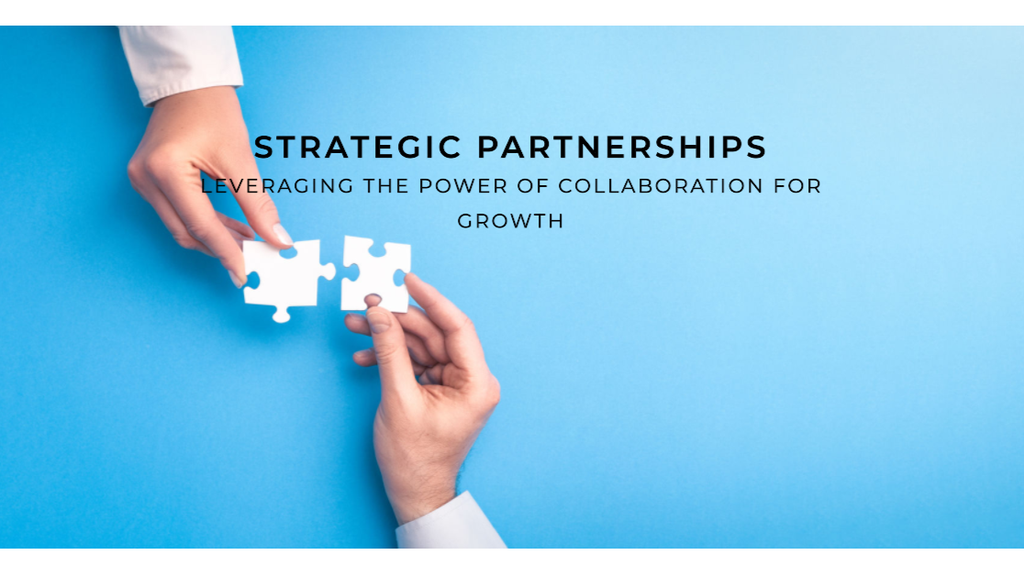
A strategic partnership may provide:
- Technology
- Distribution
- Expertise
- Market access
- Customer relationships
- Infrastructure
- Integration capabilities
However, partnerships also introduce risk.
Companies should evaluate whether a potential partner has compatible goals, reliable operations, strong security practices, and a sustainable business model.
A partnership should create measurable value for both sides.
Market Expansion
Another possible strategic initiative is entering new markets.
Market expansion can mean targeting new industries, customer groups, geographic regions, or business segments.
Before entering a new market, a company should research:
- Customer needs
- Competition
- Pricing
- Regulations
- Local business practices
- Technology requirements
- Distribution channels
Expansion without sufficient research can be expensive.
Also read:Babeltee: What It Is, How It Works, Tea Options, and What to Know
Strategic planning helps organizations test assumptions before making large investments.
Employee Development as a Strategic Initiative
Employees are an important part of every long-term business strategy.
Technology changes quickly, which means employee skills must also develop.
Employee-focused initiatives may include:
- Professional training
- Leadership development
- Technical education
- Mentoring
- Career development
- Cross-functional learning
- Knowledge sharing
Employee development can improve both individual performance and organizational resilience.
It can also help companies respond to technological changes without depending entirely on external hiring.
Building a Strong Organizational Culture
Strategy is often discussed in terms of technology and finances, but culture also matters.
A company may have an excellent strategic plan that fails because employees do not understand it or support it.
A healthy strategic culture encourages:
- Clear communication
- Accountability
- Collaboration
- Learning
- Responsible decision-making
- Customer focus
- Continuous improvement
Employees should understand why a strategic initiative exists.
People are more likely to support change when they understand its purpose.
Measuring Syrenis Strategic Initiatives
A strategic initiative should have measurable objectives.
Without measurement, it becomes difficult to determine whether an initiative is successful.
Common measurements may include:
- Revenue growth
- Customer retention
- Customer satisfaction
- Product adoption
- Employee engagement
- Project completion
- Operational cost
- Response time
- Security performance
- Website or product usage
The right metric depends on the initiative.
For example, a customer service initiative should not be measured only by revenue.
It may also require customer satisfaction, resolution time, and retention metrics.
Key Performance Indicators
Key performance indicators, commonly called KPIs, help organizations monitor progress.
A good KPI should be:
- Relevant
- Measurable
- Understandable
- Consistent
- Connected to a business goal
Too many KPIs can become a problem.
When everything is treated as a priority, it becomes difficult to know what really matters.
A smaller number of meaningful measurements can often provide better strategic visibility.
Short-Term Goals vs. Long-Term Strategy
Strategic initiatives often involve a balance between immediate results and future benefits.
For example, improving customer support may produce short-term satisfaction improvements while also increasing long-term customer loyalty.
Investing in employee training may not produce immediate revenue but can improve future productivity.
Investing in cybersecurity may not create visible revenue at all, but it can reduce serious business risks.
This is why strategic success should not always be judged by immediate financial results.
Some initiatives create value by preventing future problems.
How Leadership Supports Strategic Initiatives
Leadership plays a major role in strategic execution.
Executives and managers need to:
- Define priorities
- Allocate resources
- Communicate goals
- Remove obstacles
- Monitor progress
- Adjust plans
- Support employees
A strategy cannot succeed if leadership announces goals but provides no resources.
Employees need enough time, tools, training, and authority to complete important initiatives.
Resource Allocation and Strategic Priorities
Every company has limited resources.
Resources can include money, employees, time, technology, and management attention.
Strategic planning requires decisions about where these resources should go.
A useful approach is to compare initiatives based on:
- Business impact
- Cost
- Risk
- Time required
- Customer value
- Strategic alignment
An initiative with high impact and reasonable cost may deserve priority.
An initiative with low impact and high complexity may need to be delayed or removed.
Common Problems With Strategic Initiatives
Strategic initiatives can fail for many reasons.
One common problem is unclear objectives.
If employees do not know what success means, they cannot easily measure progress.
Another problem is too many initiatives.
Organizations sometimes launch dozens of projects at once. Employees then have difficulty determining which work should receive priority.
Poor communication is another risk.
A strategy should not remain inside executive meetings. Relevant employees need to understand how it affects their work.
The Problem of Strategy Without Execution
A strategic plan is only valuable when it leads to action.
Companies can spend months developing impressive strategy documents without making meaningful operational changes.
Execution requires:
- Clear ownership
- Defined deadlines
- Resources
- Regular reviews
- Measurable results
- Leadership support
Each major initiative should have someone responsible for moving it forward.
How Strategic Initiatives Can Be Improved
Organizations can improve strategic initiatives by keeping their planning simple and focused. First, identify the business problem and set a clear goal. Then choose the right actions, resources, and ways to measure progress. A simple process is: Problem → Goal → Initiative → Resources → Measurement → Review. This helps employees understand their responsibilities and makes the strategy easier to manage.
Why Strategic Flexibility Matters
A strategic plan should provide clear direction but still allow room for change. Markets, customer needs, technology, regulations, and competition can change over time. Organizations should regularly review their initiatives and adjust them when needed. Being flexible does not mean giving up on a strategy; it means making smart changes based on new information and changing business conditions.
Syrenis Strategic Initiatives and Sustainable Growth
Sustainable growth means building a business that can continue creating value over time.
Sustainable growth often requires balance.
A company may need to balance:
- Growth and profitability
- Innovation and stability
- Automation and human judgment
- Customer needs and business goals
- Speed and security
- Technology investment and cost control
Strategic initiatives can help leadership manage these trade-offs.
The strongest strategy is rarely based on one goal alone.
How Customers Can Evaluate Strategic Claims
People researching Syrenis strategic initiatives should be careful when reading online claims.
A company may have a public strategy, while third-party websites may interpret that strategy differently.
When evaluating information, check:
- Who published the information?
- When was it published?
- Is the information from a primary source?
- Does the company confirm the claim?
- Is the statement specific or vague?
- Is supporting evidence available?
This is especially important for claims about future plans.
A future strategic goal is not the same thing as a completed project.
Why Dates Matter When Researching Strategy
Business strategy can change.
An initiative mentioned several years ago may no longer be active.
A company may complete an initiative, replace it, or change its priorities.
That means readers should always consider the date of the information.
Current strategic priorities are more useful for understanding the organization’s present direction.
Older information can still provide historical context, but it should not automatically be treated as a description of today’s strategy.
Strategic Initiatives and Corporate Reputation
Corporate reputation is affected by whether an organization delivers on its promises.
A company that communicates realistic goals and reports progress clearly can build credibility.
Overpromising can create the opposite effect.
For this reason, strategic communication should be honest about both achievements and challenges.
Trust is built when organizations show evidence rather than relying only on promotional language.
Strategic Initiatives and Stakeholders
Strategic decisions affect more than executives.
Stakeholders can include:
- Customers
- Employees
- Investors
- Partners
- Suppliers
- Regulators
- Local communities
A strong strategy considers the needs and expectations of important stakeholders.
This does not mean every decision will satisfy everyone.
It means that important effects should be considered before major decisions are made.
A Practical Framework for Understanding Syrenis Strategic Initiatives
When researching Syrenis strategic initiatives, start by understanding the organization’s main goals and mission. Then identify the business problems it is trying to solve and the initiatives connected to those goals. Look at the resources, technology, and people involved, and check how success is measured. Finally, compare the planned goals with the actual results. This approach gives a clearer understanding of how strategic initiatives work.
What Makes a Strategic Initiative Successful?
A successful strategic initiative should solve an important business problem and have clear goals, responsible teams, and enough resources. Employees should understand what they need to achieve, while leaders should regularly review progress and results. A strong initiative should also be flexible enough to respond to changing conditions. Most importantly, it should support the organization’s larger strategic goals rather than operate as an unrelated project.
Syrenis Strategic Initiatives in the Modern Business Environment
Modern companies operate in an environment shaped by rapid technology changes, increasing data volumes, cybersecurity risks, evolving customer expectations, and changing regulations.
This environment makes strategic planning more important.
Organizations need to think beyond today’s operations.
They need to ask what customers will expect in the future and what capabilities the company needs to develop now.
Also read:Zavalio.com: What Is Zavalio.com and Is It a Reliable Content Publishing Website?
For technology companies, this may mean investing in innovation, security, privacy, customer experience, automation, and scalable infrastructure.
The Role of Continuous Improvement
Strategic initiatives should not end after a project is completed. Organizations should review what worked, what failed, what customers thought, and what the data shows. This helps businesses find areas for improvement and make better decisions in the future. Continuous improvement also helps companies adapt to changing needs instead of relying on outdated ideas.
Syrenis Strategic Initiatives and Innovation
Innovation can help organizations stay competitive and achieve long-term growth. It does not always mean creating something completely new. Innovation can also involve improving an existing service, making a process easier, reducing costs, or finding better ways to serve customers. The main goal of strategic innovation should be to create useful and measurable improvements.
Balancing Innovation With Risk
Innovation always involves some level of risk. A new product may not attract enough customers, a new market may perform poorly, or new technology may create unexpected problems. Strategic planning can help reduce these risks. Organizations can test new ideas through small projects, pilot programs, or limited launches before making larger investments. This approach allows businesses to explore new opportunities while keeping risks under control.
Why Transparency Matters
Transparency is especially important when discussing strategic initiatives.
Readers, customers, employees, and other stakeholders should be able to distinguish between:
- Current initiatives
- Completed projects
- Future plans
- Internal goals
- Public commitments
- Third-party interpretations
These categories are not interchangeable.
A future goal should not be presented as an existing feature or completed achievement.
Clear language improves trust and reduces confusion.
How Strategic Initiatives Affect Customers
Customers may not see a company’s strategic plan directly.
Instead, they experience its results.
A successful strategic initiative may produce:
- Better products
- Faster support
- Improved reliability
- Stronger security
- Easier digital experiences
- More useful features
- Better communication
This is why customer experience can be an important measure of strategic performance.
If internal changes do not eventually create customer value, their strategic importance should be questioned.
Strategic Planning for Long-Term Resilience
Resilience means the ability to continue operating and adapt when conditions become difficult.
Businesses can improve resilience through:
- Diversified operations
- Strong cybersecurity
- Reliable infrastructure
- Skilled employees
- Financial planning
- Backup systems
- Strong customer relationships
- Flexible processes
Strategic initiatives can help build these capabilities over time.
What the Future May Mean for Syrenis Strategic Initiatives
The future direction of any company can change based on market conditions, customer demand, technology, competition, regulation, and leadership decisions.
For that reason, it is better to understand syrenis strategic initiatives as a strategic concept that should be evaluated using current and reliable information rather than assuming that every online description represents a permanent plan.
The most important areas to watch in modern technology strategy include digital transformation, data privacy, cybersecurity, artificial intelligence, customer experience, automation, product innovation, and sustainable business growth.
These areas are likely to remain important because they address fundamental challenges faced by technology-driven organizations.
Conclusion
Syrenis strategic initiatives can be understood as structured priorities and actions designed to support long-term organizational success. The concept connects strategy with practical execution and can include areas such as business growth, product development, customer experience, technology, automation, data, privacy, cybersecurity, employee development, partnerships, and operational efficiency.
The most important lesson is that strategic initiatives are not simply a collection of projects. They should be connected to meaningful goals and supported by resources, clear ownership, measurable outcomes, and regular review.
For anyone researching syrenis strategic initiatives, it is also important to distinguish between verified company information, future plans, historical activities, and third-party interpretations. Business strategies can change, so current and authoritative information should always receive the most weight.
A strong strategic approach ultimately comes down to a simple principle: understand the goal, choose the right priorities, measure the results, and remain willing to improve. That approach can help organizations create sustainable value while adapting to a changing business and technology environment.
Frequently Asked Questions About Syrenis Strategic Initiatives
How are strategic initiatives different from a company’s annual goals?
Annual goals usually describe what an organization wants to accomplish within a specific year. Strategic initiatives are broader actions that help achieve larger objectives and may continue across multiple years. One strategic initiative can support several annual goals.
Who normally approves major strategic initiatives?
Major strategic initiatives are usually approved by senior leadership, executives, a board, or another authorized decision-making group. The exact process depends on the organization’s structure and the size and importance of the initiative.
How often should strategic initiatives be reviewed?
There is no single schedule that works for every organization. Important initiatives are often reviewed regularly through management meetings, performance reports, and milestone reviews. The review frequency should match the initiative’s complexity, risk, and expected speed of change.
Can a strategic initiative be canceled before completion?
Yes. An initiative can be stopped if new evidence shows that it is no longer valuable, affordable, practical, or aligned with business priorities. Canceling a low-value initiative can allow resources to move toward more important opportunities.
Why can two organizations have similar strategic initiatives but different results?
Results depend on many factors beyond the initiative itself. Leadership, resources, employee skills, execution quality, market conditions, technology, customer demand, timing, and organizational culture can all affect outcomes. A similar strategy can therefore produce very different results in different organizations.